
Culligan Water Softener Parts List - Complete Replacement Guide 2024
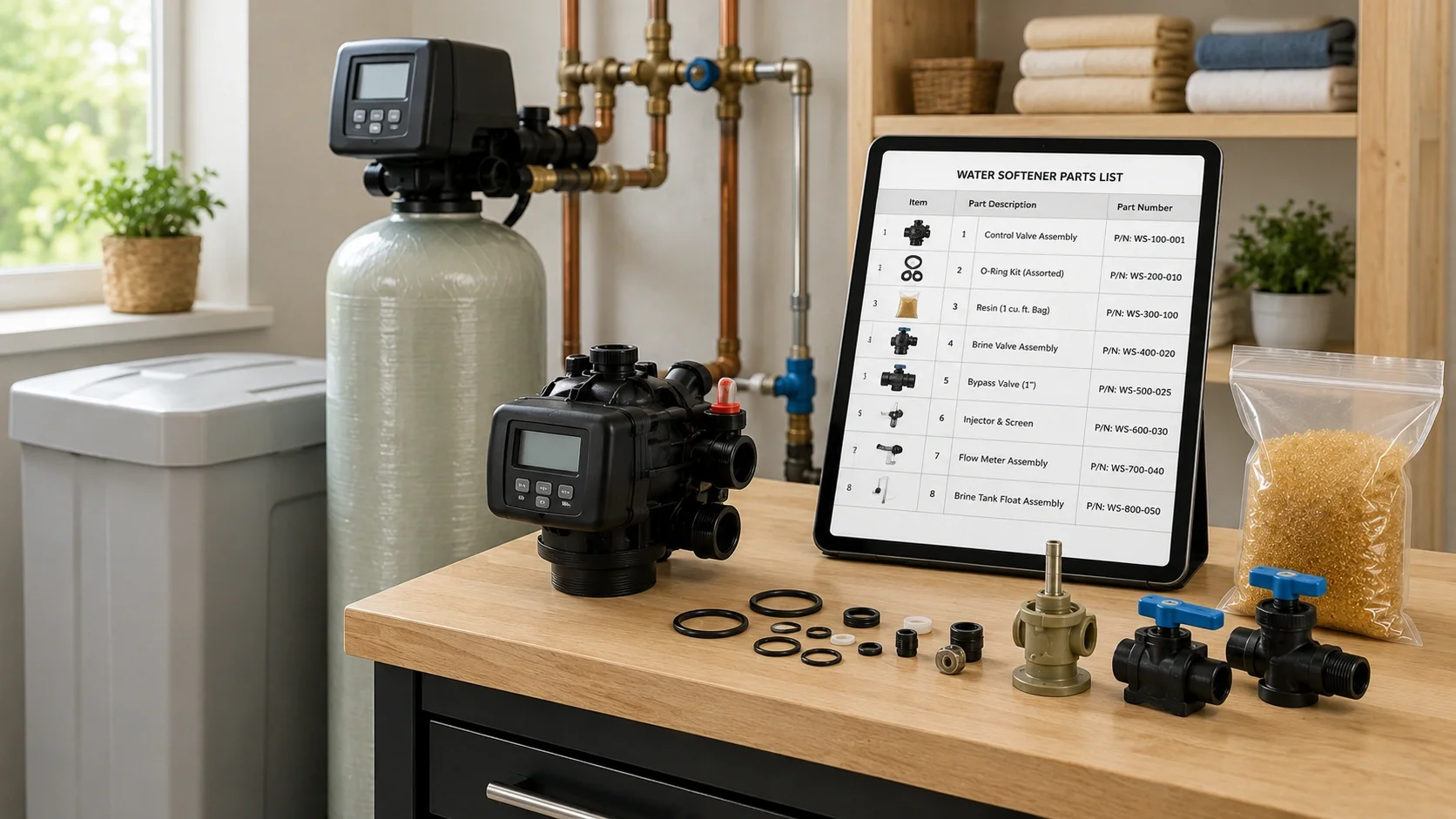
Genuine Parts
Authentic Culligan replacement components designed specifically for your water softening system
Comprehensive Catalog
Complete listing of control valves, brine tanks, resin beads, and maintenance components
Easy Identification
Detailed part numbers and compatibility information for various Culligan models
Quick Parts Overview
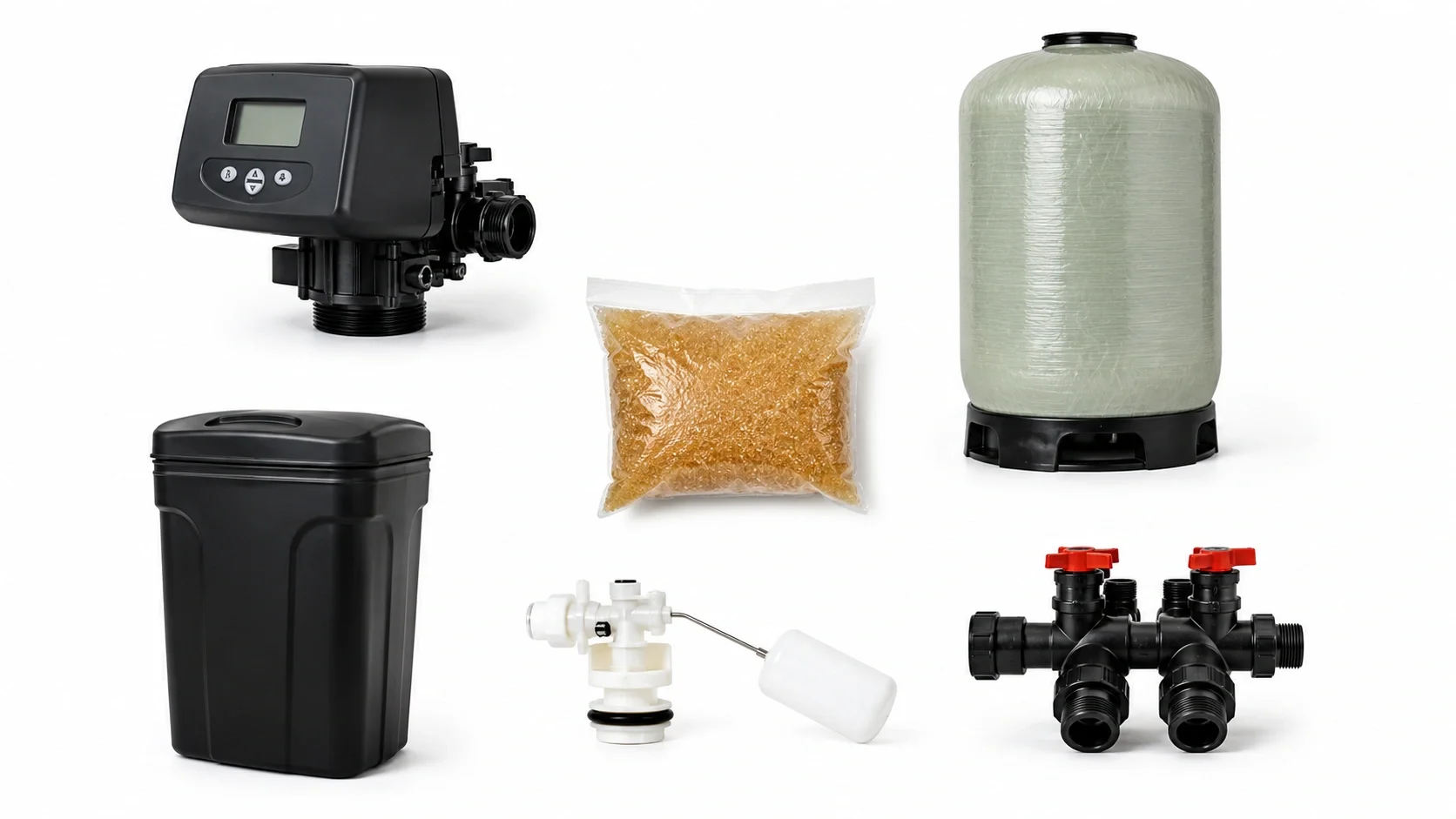
Control Valve Assembly
The brain of the system that manages regeneration cycles and water flow
$150-$500 All ModelsMineral Tank
Contains the resin beads that perform the ion exchange process
$200-$600 All ModelsBrine Tank
Holds the salt used to regenerate the resin beads
$100-$350 All ModelsResin Beads
Special polymer beads that capture hardness minerals through ion exchange
$100-$300 All ModelsBrine Valve & Float
Controls brine solution flow during regeneration
$30-$80 Most ModelsBypass Valve
Allows water to bypass the softener during maintenance or repairs
$40-$120 All ModelsCulligan Water Softener Replacement Parts
Understanding Culligan Water Softener Parts and Components
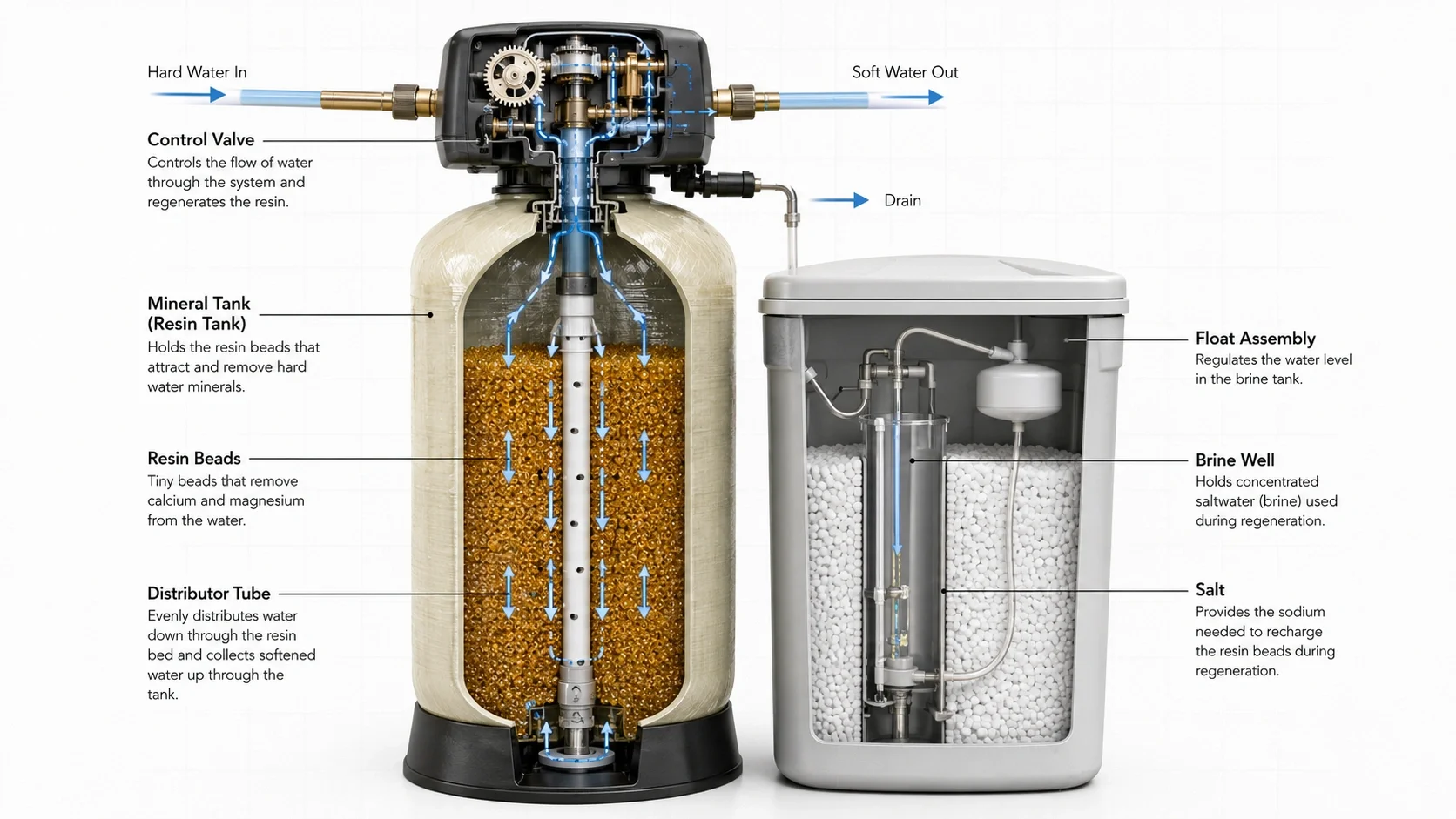
Culligan water softener parts lists provide comprehensive information about the various components that make up your water softening system. Understanding these parts and their functions is essential for proper maintenance, troubleshooting, and replacement when necessary. Culligan systems consist of several key components that work together to remove hardness minerals from your water supply, and having access to the correct parts list ensures your system continues to operate efficiently.
Essential Culligan Water Softener Components:
- Control Valve Assembly: The brain of the system that manages regeneration cycles and water flow
- Mineral Tank: Contains the resin beads that perform the ion exchange process
- Brine Tank: Holds the salt used to regenerate the resin beads
- Resin Beads: Special polymer beads that capture hardness minerals through ion exchange
- Brine Valve and Float Assembly: Controls brine solution flow during regeneration
- Bypass Valve: Allows water to bypass the softener during maintenance or repairs
Common Replacement Parts for Culligan Systems:
Several components in Culligan water softeners may require periodic replacement due to normal wear and tear. Control valve parts such as pistons, seals, and spacers often need replacement to maintain proper system operation. Resin beads typically last 10-20 years but may need replacement if damaged or if system performance declines. Brine tank components including floats, safety valves, and grid plates may require attention over time. Filter cartridges in systems with integrated filtration need regular replacement according to manufacturer recommendations. Having access to the correct parts list ensures you can identify and source the appropriate components for your specific Culligan model.
Typical Part Lifespan Guide
Signs You Need Replacement Parts
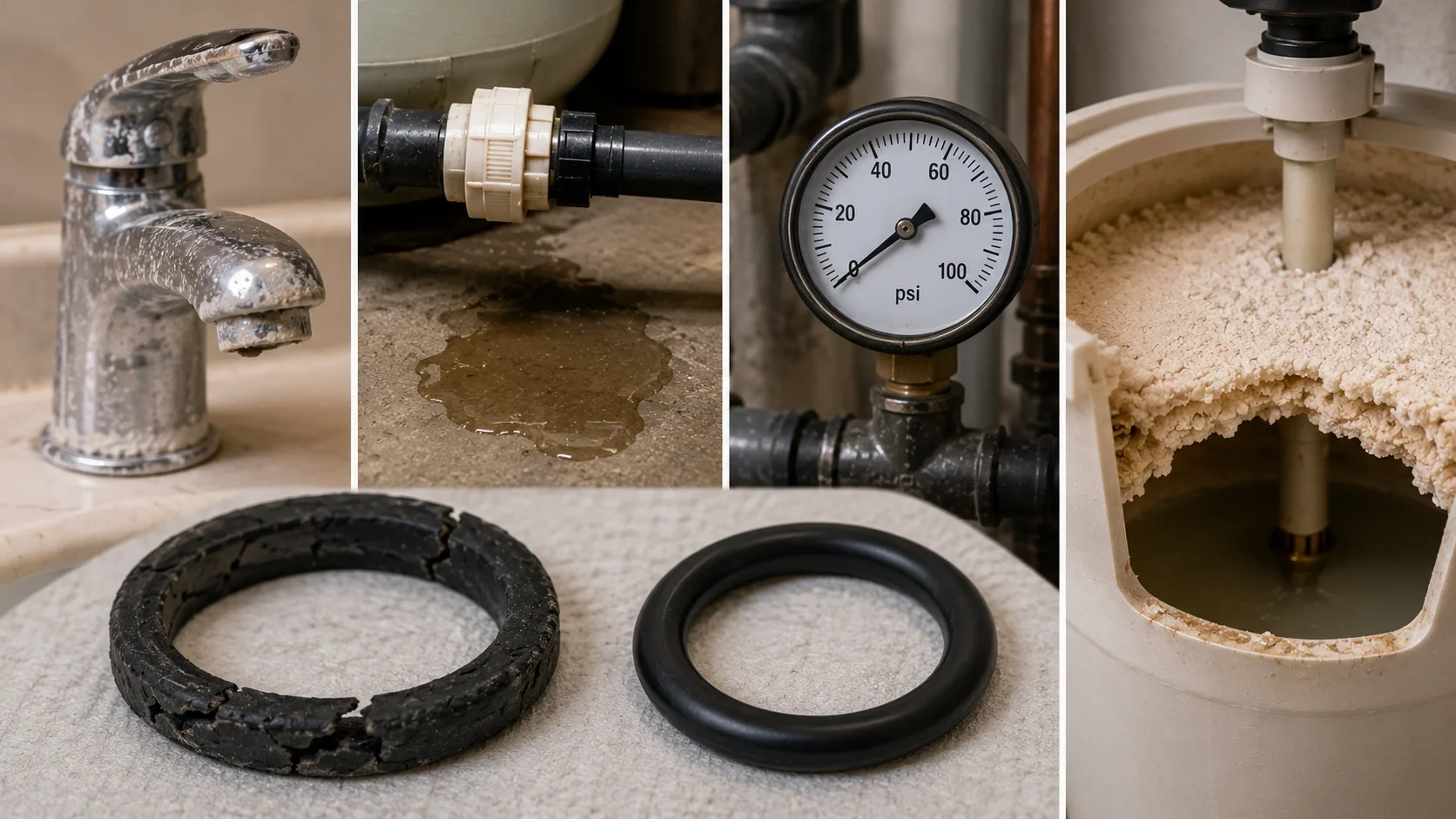
If your water no longer feels soft or leaves spots on dishes, the resin bed or control valve may need attention.
Visible leaks around fittings or connections often indicate worn seals or O-rings that need replacement.
Reduced flow from faucets can signal a clogged resin bed or issues with the control valve piston.
If your system fails to regenerate as scheduled, the control valve or timer may be malfunctioning.
Grinding or clunking sounds during regeneration often indicate control valve or piston issues.
Digital error codes on the display typically indicate specific component failures needing replacement.
Finding the Right Culligan Parts for Your System
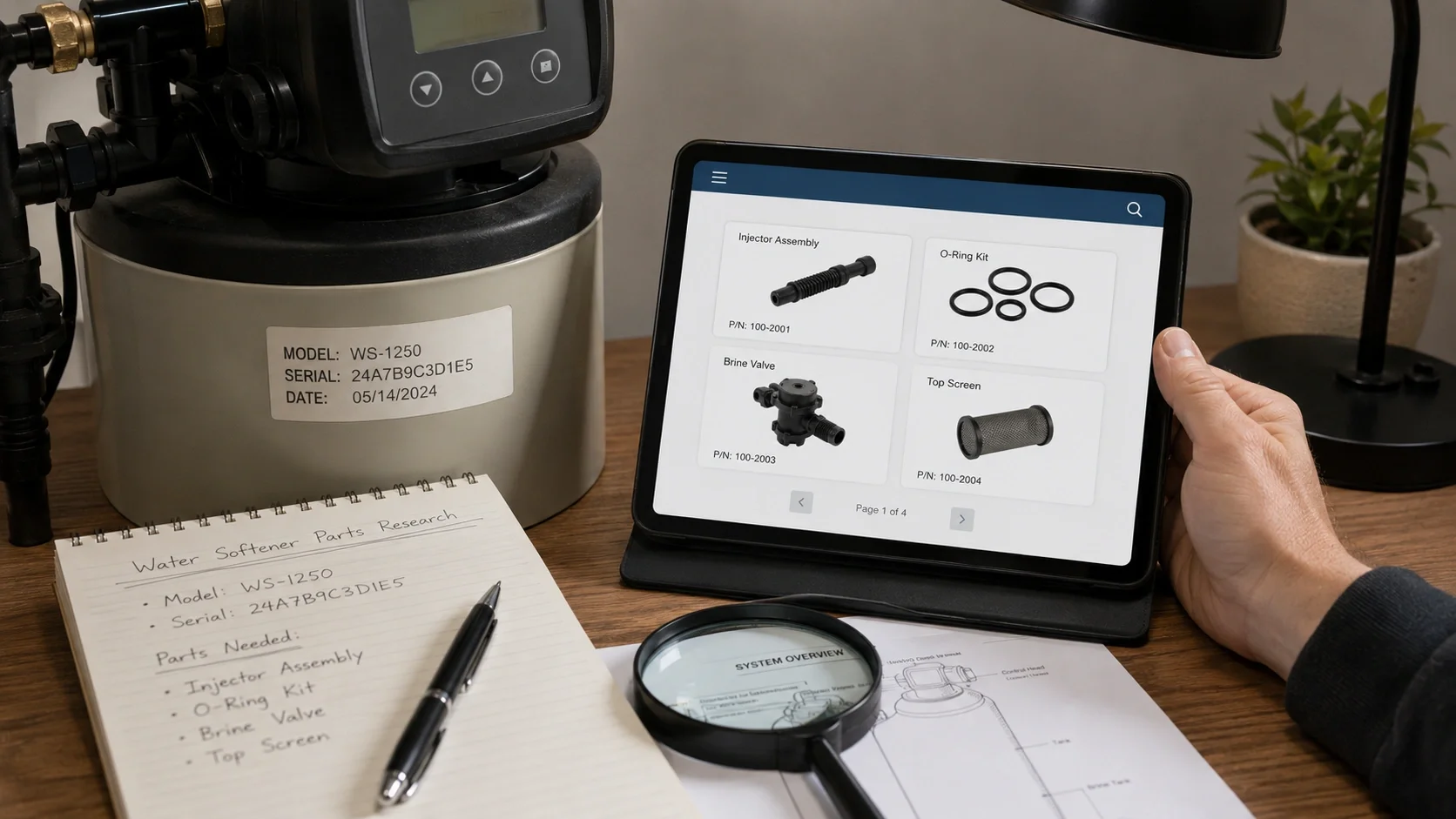
Identifying the correct replacement parts for your Culligan water softener involves several important steps:
- Model Identification: Locate your Culligan model number, typically found on the control valve or mineral tank label
- Serial Number Verification: Record the serial number to ensure part compatibility and manufacturing date
- System Age Consideration: Older systems may require different parts than current models
- Local Dealer Consultation: Authorized Culligan dealers can provide exact part numbers and availability
- Online Resources: Culligan's official website and authorized parts distributors offer comprehensive catalogs
- Professional Assessment: Certified technicians can diagnose issues and recommend specific replacement parts
Maintaining Your Culligan Water Softener System:
Regular maintenance is crucial for extending the life of your Culligan water softener and minimizing the need for replacement parts. Perform visual inspections monthly to check for leaks, unusual noises, or changes in water quality. Test your water hardness periodically to ensure the system is functioning properly. Clean the brine tank annually to remove salt buildup and inspect components for wear. Follow manufacturer recommendations for salt type and maintain appropriate salt levels in the brine tank. Keep a record of your system's model and serial numbers, along with any previous part replacements, to streamline future maintenance and repairs. Understanding your specific Culligan system's parts list enables you to perform proper maintenance and address issues promptly when they arise.
Recommended Maintenance Schedule
- Monthly: Check salt levels, inspect for leaks, listen for unusual noises
- Quarterly: Test water hardness, check brine tank for salt bridging
- Annually: Clean brine tank, inspect seals and O-rings, test system performance
- Every 2-3 Years: Professional system inspection and servicing
- Every 10-15 Years: Consider resin bead replacement
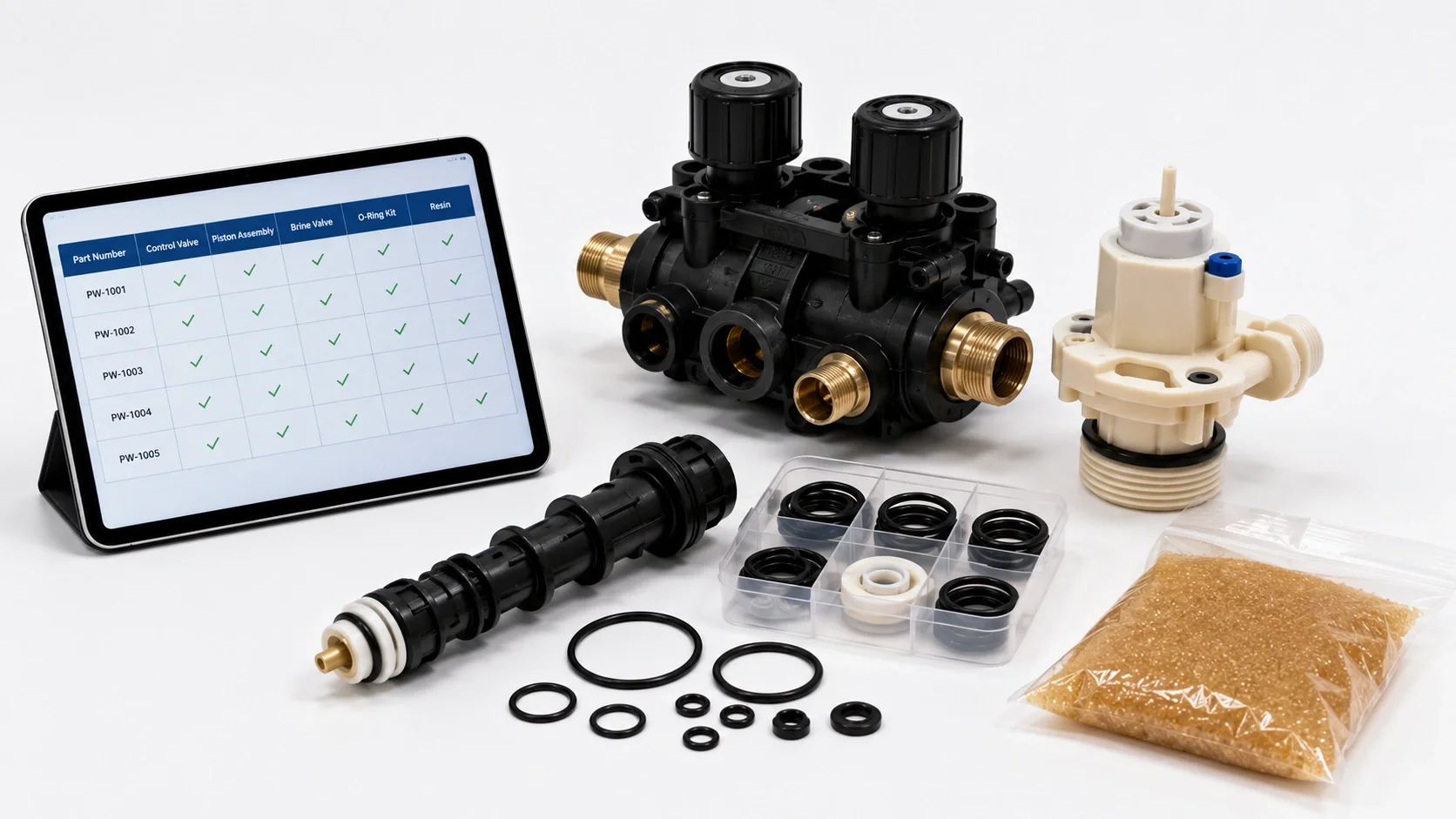
Parts Compatibility Guide
✅ Compatibility Factors
- Model Series: Different Culligan series use different parts
- Manufacturing Date: Parts may vary by production year
- System Type: Residential vs commercial systems differ
- Capacity: Grain capacity affects resin and tank sizing
- Features: Digital vs mechanical controls use different parts
✅ How to Verify Compatibility
- Check your owner's manual for part numbers
- Use the serial number when ordering parts
- Consult authorized Culligan dealers for verification
- Match physical appearance of old and new parts
- Verify electrical specifications for electronic components
Frequently Asked Questions
How do I find the model number of my Culligan system?
The model number is typically located on a label on the control valve or mineral tank. Look for a white or silver sticker with model and serial number information.
Can I use generic parts in my Culligan softener?
While generic parts may be cheaper, genuine Culligan parts ensure proper fit, function, and maintain warranty coverage. Always verify compatibility before purchasing.
How often should I replace resin beads?
Resin beads typically last 10-20 years. Signs that replacement is needed include persistent hard water despite proper regeneration and significant loss of water pressure.
What are the most commonly replaced parts?
The most commonly replaced parts include seals and O-rings, brine valves, control valve pistons, and resin beads. These components experience the most wear over time.
Can I replace Culligan parts myself?
Simple parts like seals, O-rings, and brine valves can be DIY installed. More complex components like control valves or resin replacement may require professional expertise.
How do I know if my control valve needs replacement?
Signs include system not regenerating, error codes, water not softening properly, continuous water flow to drain, or unusual noises during operation.
How to Order Culligan Replacement Parts
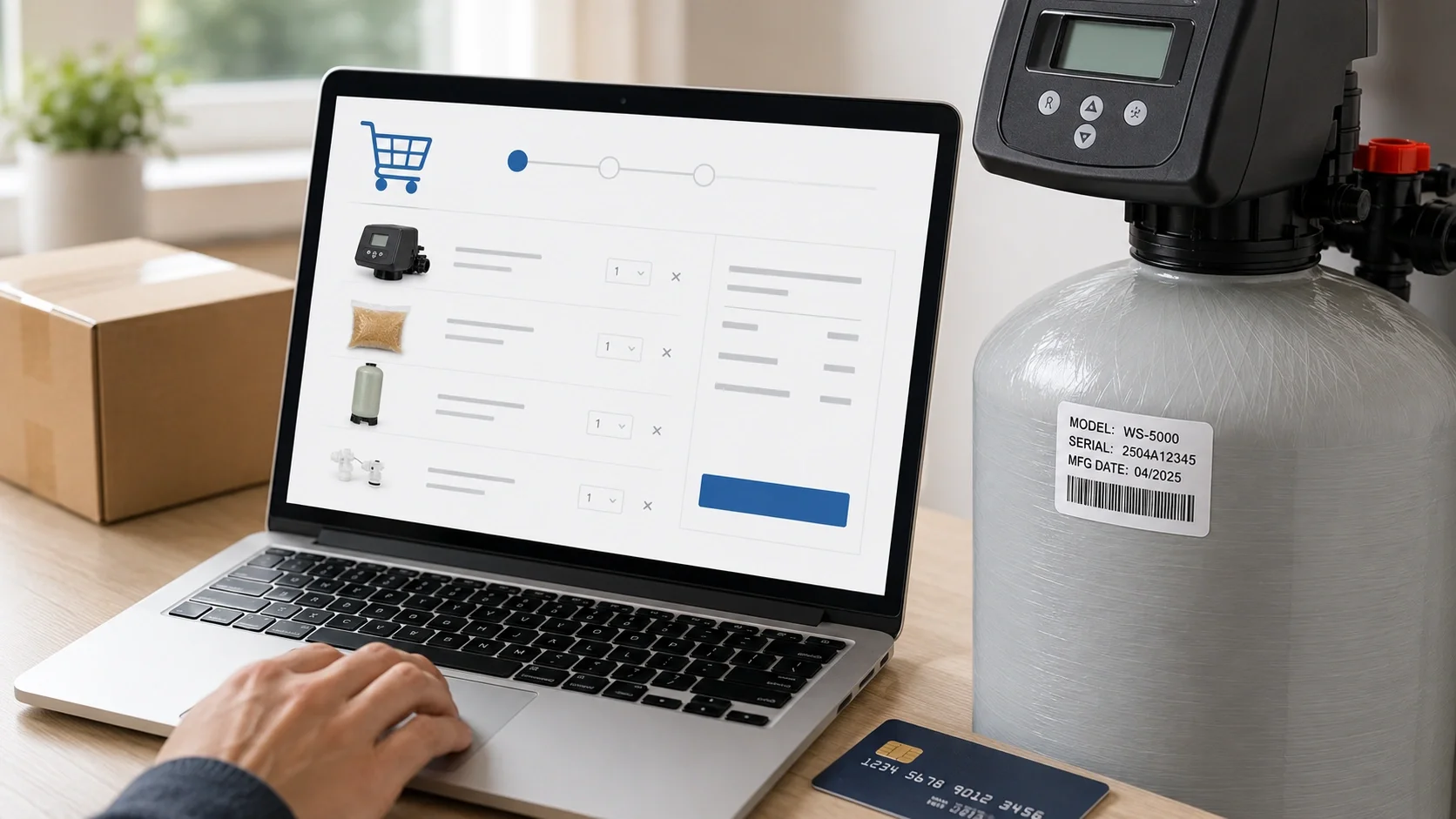
- Identify your system: Locate the model and serial number on your Culligan unit.
- Determine the part needed: Use this guide to identify which component requires replacement.
- Verify compatibility: Ensure the part is compatible with your specific model and manufacturing date.
- Choose a supplier: Order from authorized Culligan dealers or reputable online parts distributors.
- Place your order: Provide the part number and system information when ordering.
- Install the part: Follow manufacturer instructions or consult a professional for installation.
Pro Tip: Keep your system's model and serial number handy when ordering parts. This ensures you receive the correct components for your specific Culligan water softener.
Related Culligan Water Softener Resources
Explore these additional resources to learn more about Culligan water softening systems and maintenance:
Culligan Water Softener Parts for Sale
Resources for finding genuine Culligan replacement parts, including authorized dealers and compatible component options.
Culligan Water Softener Operation
Detailed explanation of how Culligan water softening systems work, including the ion exchange process and regeneration cycles.
Water Softener Replacement Parts
Comprehensive guide to water softener parts, including valves, tanks, and components for system maintenance.
Water Softener Troubleshooting
Step-by-step troubleshooting guide for common water softener issues and error codes.