
Kenmore Water Softener Date Code Guide - How to Find and Decode Manufacturing Date
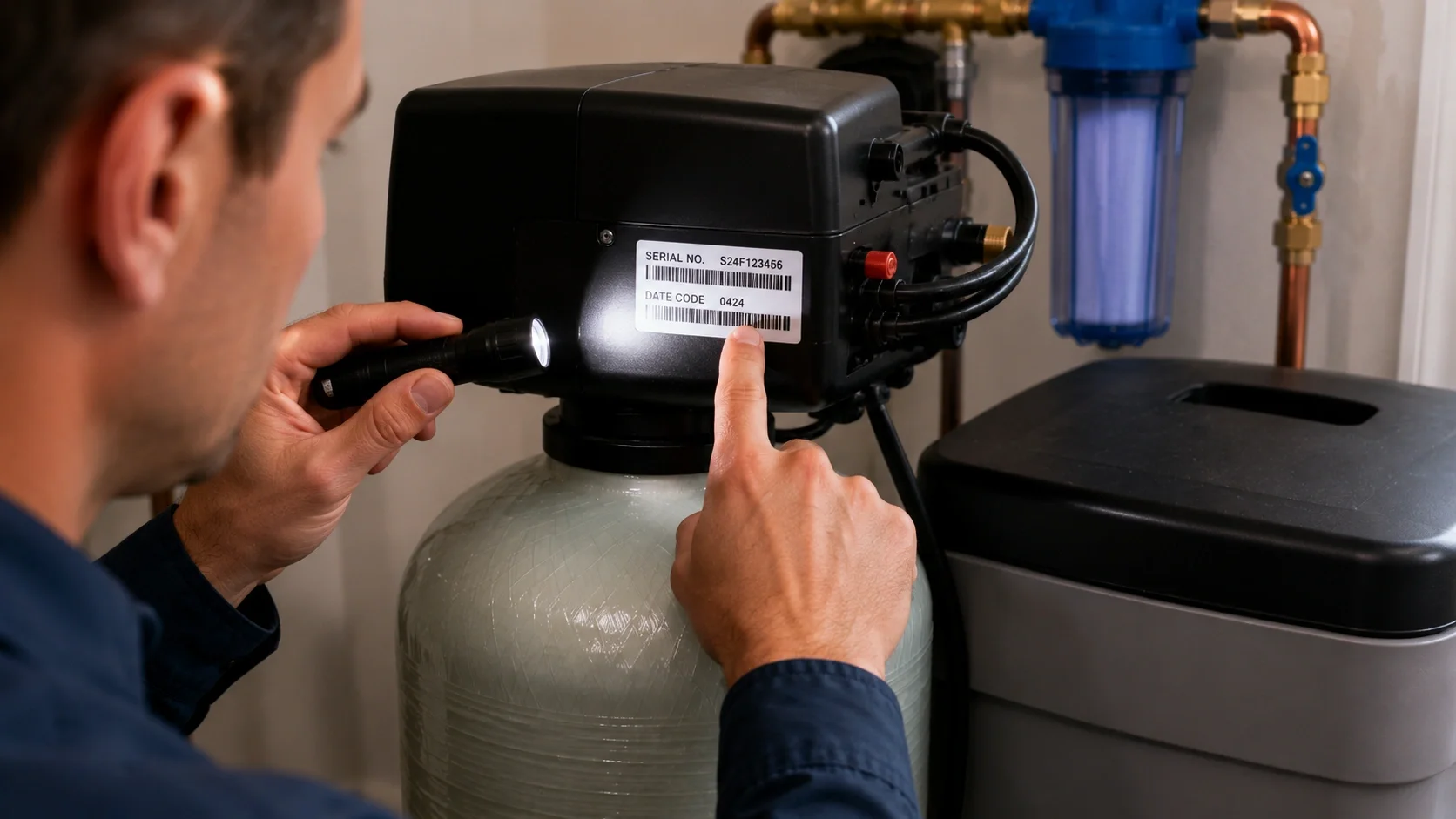
Date Location Guide
Learn where to find the manufacturing date code on different water softener models
Decoding System
Understand how to interpret serial numbers and date codes accurately
Age Assessment
Determine your water softener's age for maintenance planning and replacement decisions
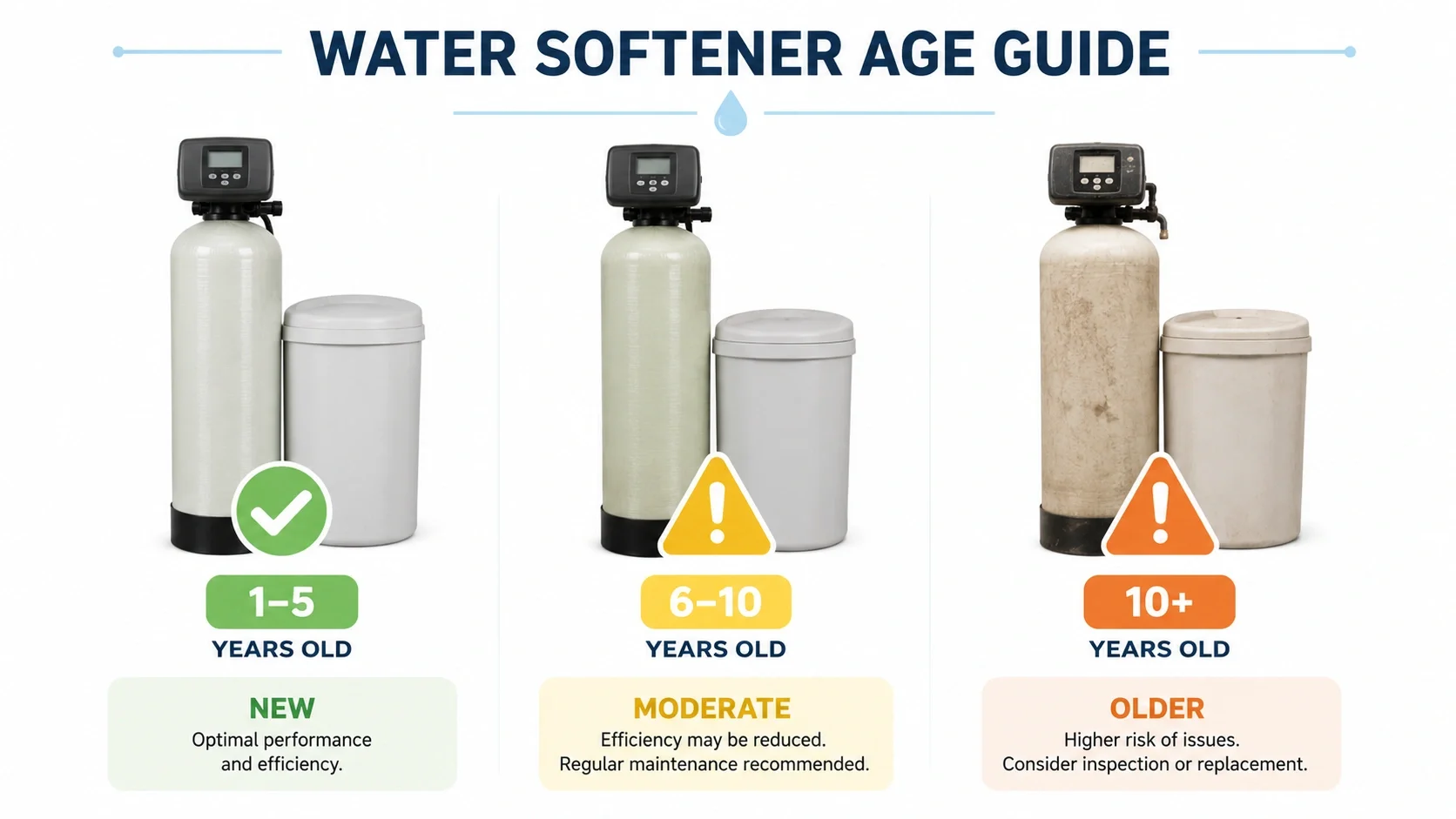
Quick Age Reference Guide
Recommended Water Softener Replacement Parts
Understanding Kenmore Water Softener Date Codes
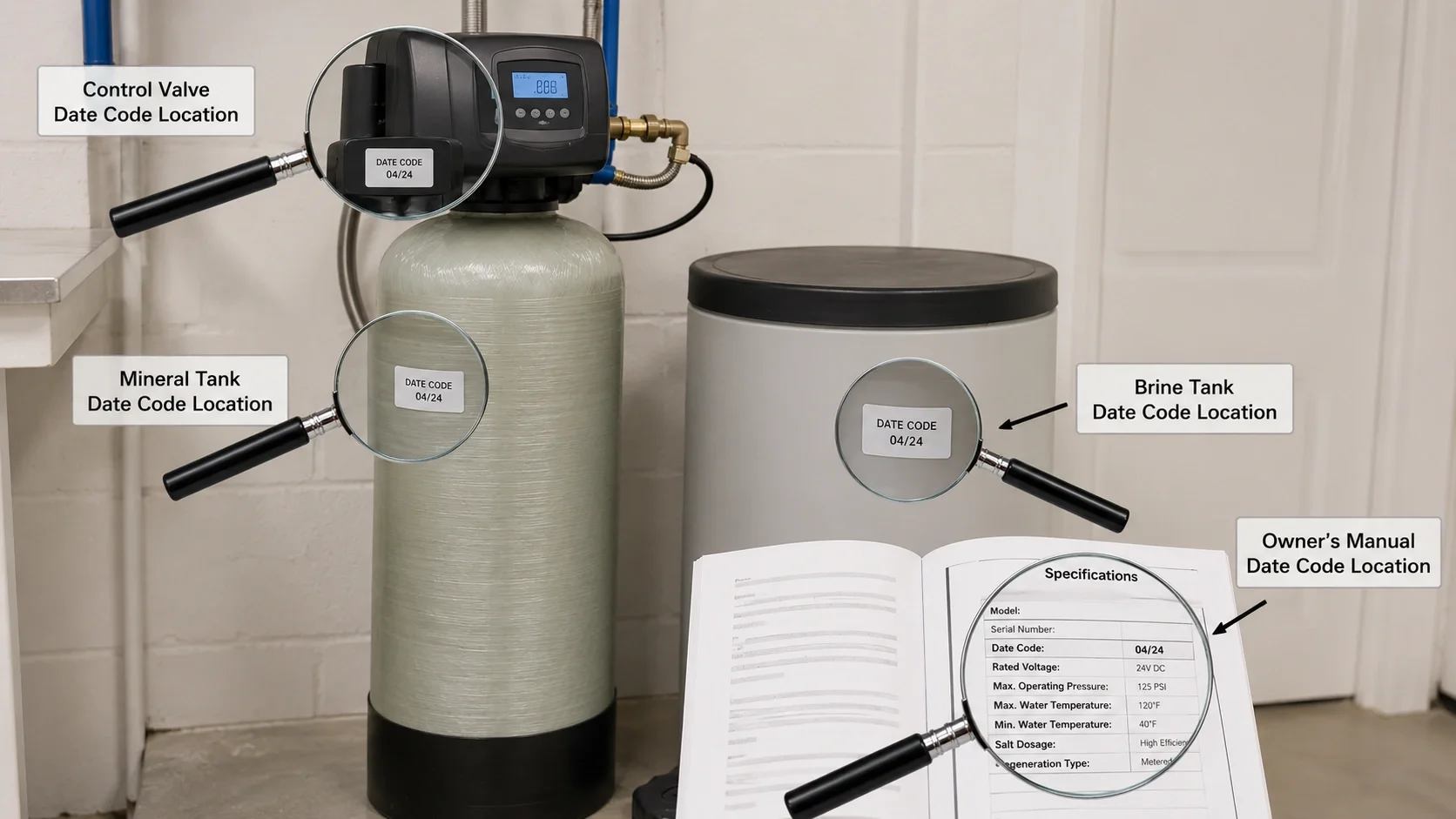
Kenmore Water softeners use specific coding systems to indicate manufacturing dates, which are essential for determining the age of your system, planning maintenance schedules, and understanding warranty coverage. Knowing how to locate and interpret these date codes can help you make informed decisions about repairs, part replacements, or potential system upgrades.
Where to Find Date Codes:
- Control Valve Housing: Look for a sticker or embossed numbers on the control valve assembly
- Mineral Tank: Check the top or side of the resin tank for manufacturing information
- Brine Tank: Inspect the exterior of the salt tank for labels with serial numbers
- Owner's Manual: Reference the documentation that came with your original purchase
- Product Registration Card: If you registered your unit, this may contain manufacturing details
- Electronic Display: Some newer models show manufacturing information in system diagnostics
📍 Control Valve Area
- Check the back or side of the control valve head
- Look for white or silver stickers with numbers
- Some models have embossed numbers on the plastic housing
- May be near the motor or drive assembly
📍 Tank Labels
- Check the top rim of the mineral tank
- Look at the bottom or back of the brine tank
- Inspect the tank collar where the valve connects
- Some tanks have labels on the side near the top
How to Decode Serial Numbers:
Most water softeners use a serial number format that includes date information. While coding systems may vary by manufacturer, most follow these general patterns:
- First Character: Often indicates the year of manufacture (numbers or letters)
- Second and Third Characters: Typically represent the week or month of production
- Remaining Characters: Usually sequential production numbers or plant codes
- Letter Codes: Some systems use letters where A=January, B=February, etc.
- Number Codes: Direct numerical representation (YYMMDD or MMDDYY formats)
- Model-Specific Variations: Different series may have unique coding systems
Common Date Code Formats
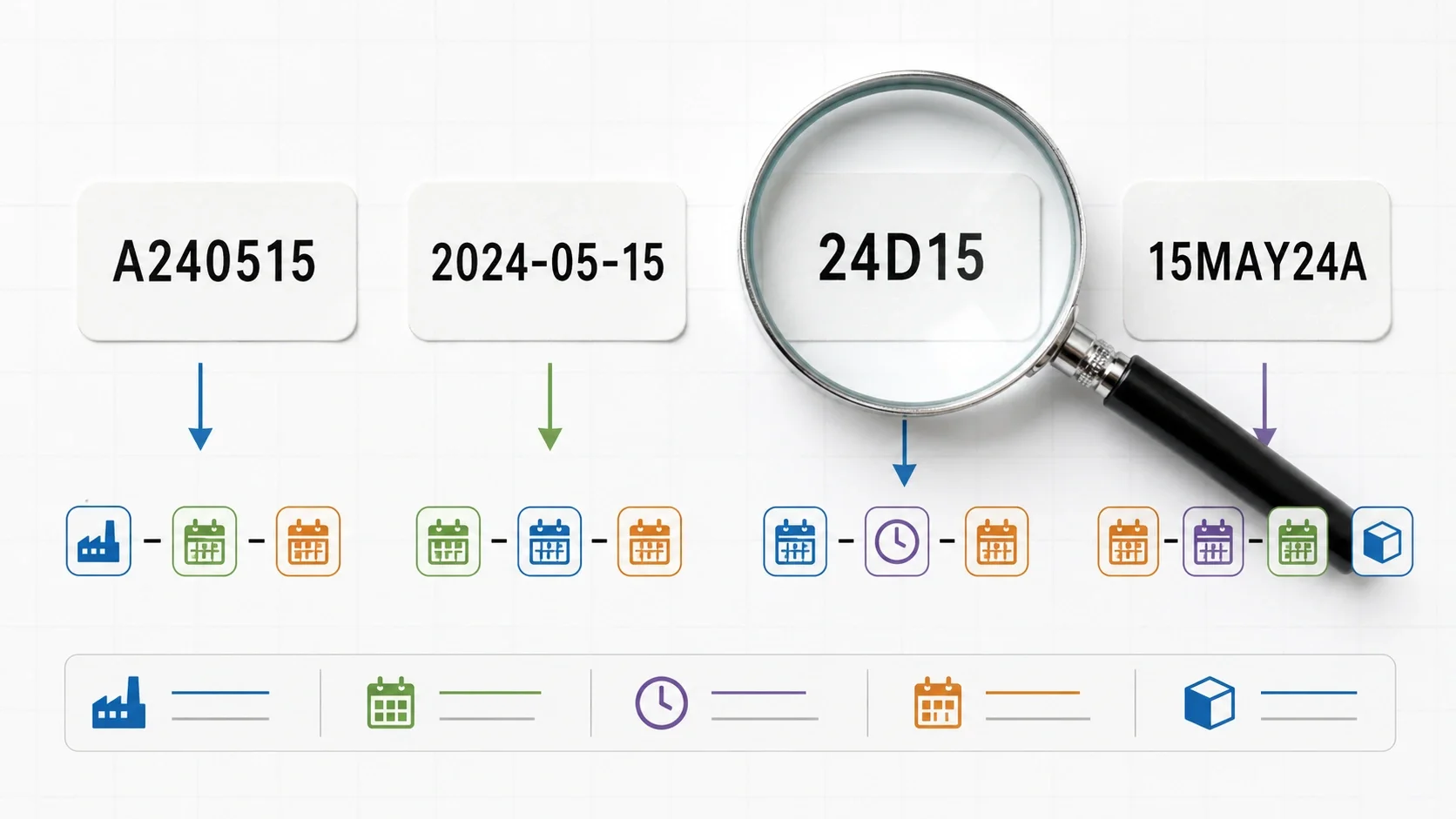
Understanding the specific date code format used for your kenmore water softener model is crucial for accurate age determination. Here are the most common formats found across different kenmore water treatment systems:
Standard Serial Number
Typically begins with numbers representing year and week
How to read: First 2 digits = year, next 2 = week
Letter-Based Systems
Uses letters for months followed by year digits
How to read: Letter = month (A-Jan, B-Feb, etc.), next 2 = year
Direct Date Stamps
Clear MMDDYY or YYMMDD format stamps on components
How to read: YYMMDD = year/month/day
Manufacturing Plant Codes
First character may indicate manufacturing location
How to read: First letter = plant, next 2 = year
Serial Number Decoder Reference
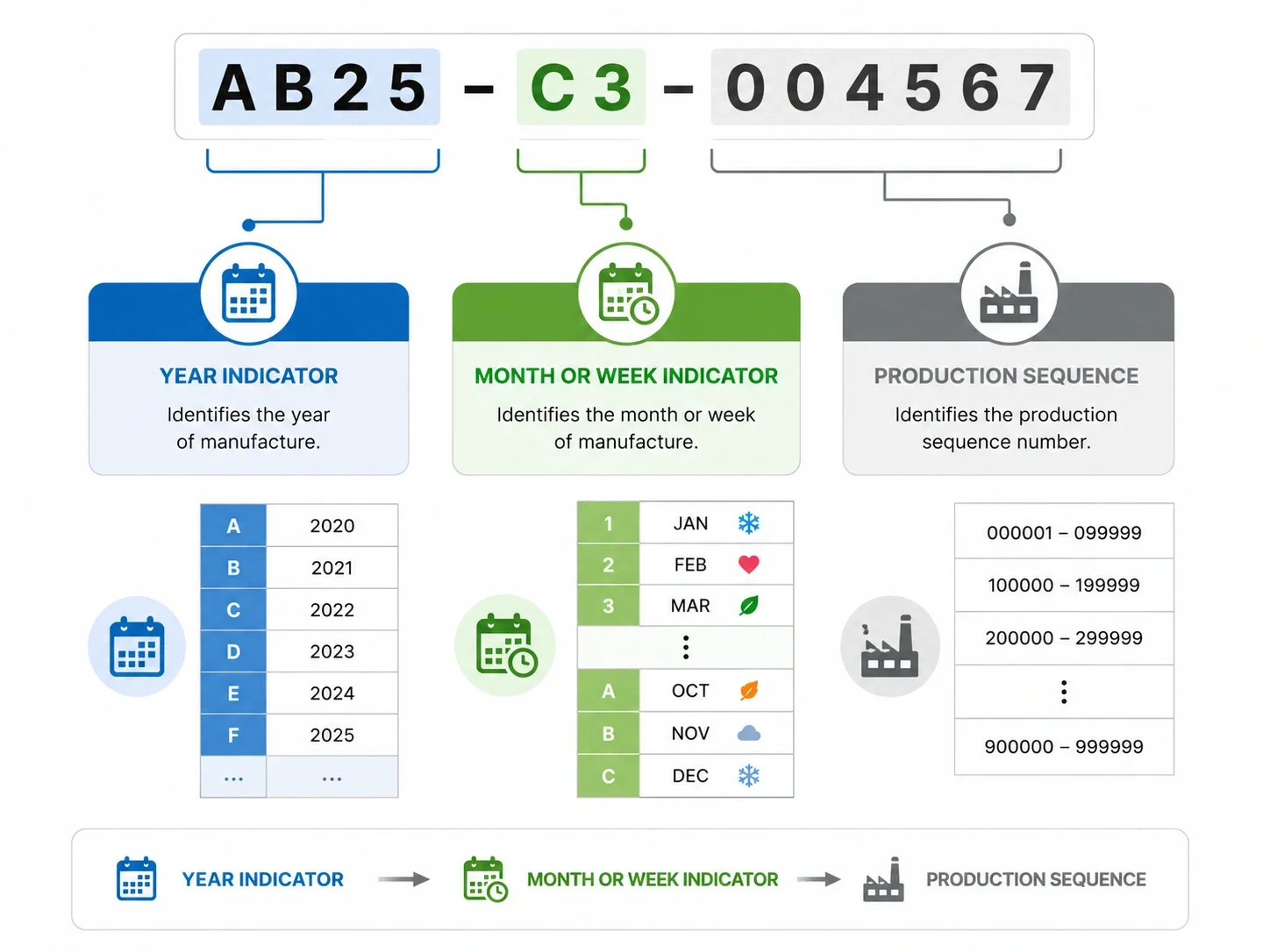
| Serial Number Format | Year Indicator | Month/Week Indicator | Example |
|---|---|---|---|
| YYWW-XXXX | First 2 digits = Year | Next 2 digits = Week | 1508-1234 = 8th week of 2015 |
| Letter-YY-XXXX | Next 2 digits after letter = Year | Letter = Month (A=Jan, B=Feb, etc.) | B15-1234 = February 2015 |
| YYMMDD-XXXX | First 2 digits = Year | Next 4 digits = Month/Day | 150315-1234 = March 15, 2015 |
| Plant-YY-XXXX | Next 2 digits after plant code = Year | Plant code indicates facility | P15-1234 = Plant P, 2015 |
| YYYY-XXXXX | First 4 digits = Full Year | Sequential production number | 2015-12345 = Year 2015 |
Pro Tip: If your serial number format isn't listed here, try contacting the manufacturer's customer service with your model and serial number. They can usually provide the manufacturing date.
Why Knowing Your Water Softener's Age Matters
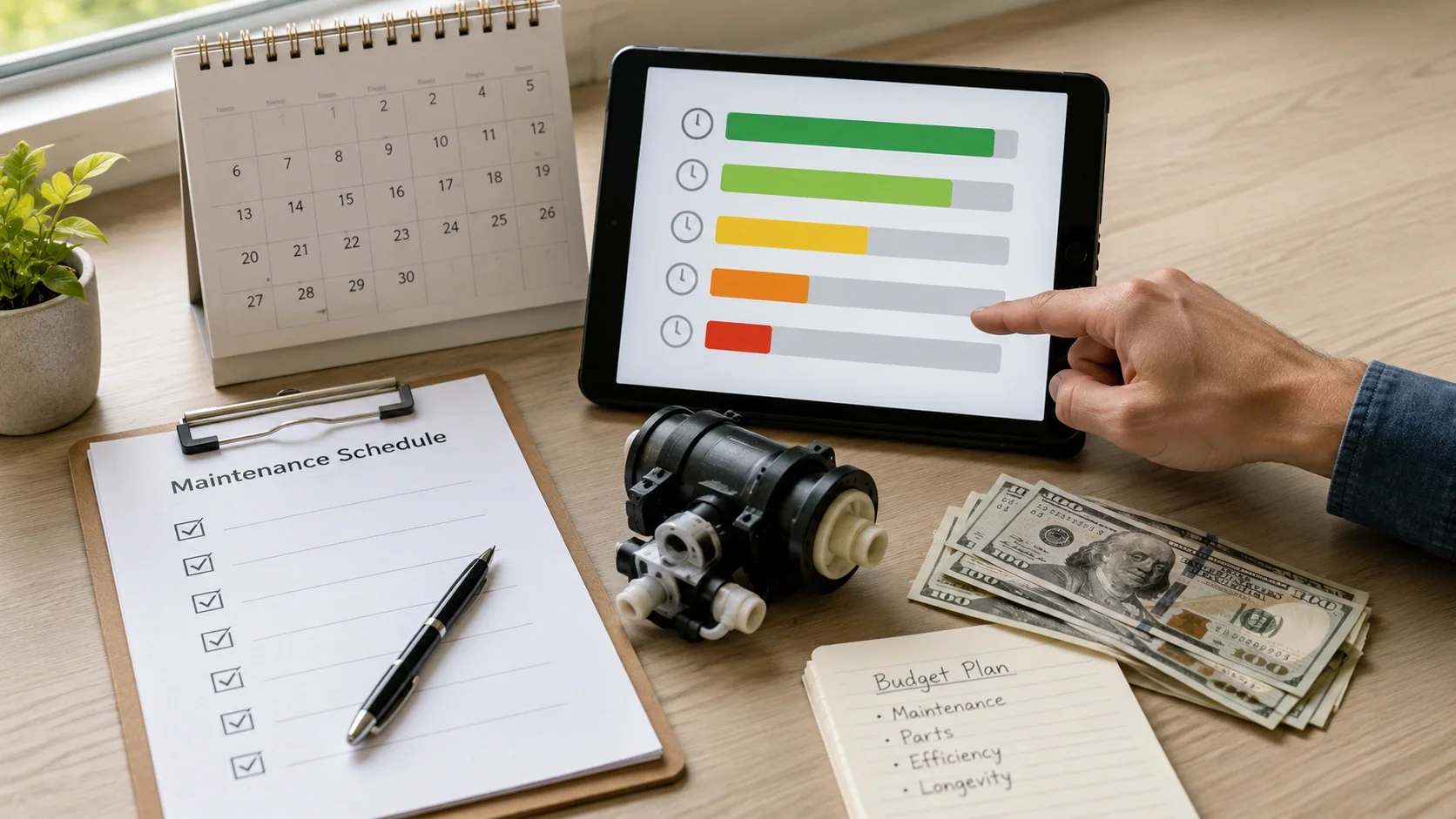
Determining your Kenmore water softener's manufacturing date provides valuable information for maintenance planning and system management.
✅ Maintenance Planning
- Older systems (typically 8+ years) may require more frequent maintenance
- Anticipate resin bed replacement needs (usually every 5-10 years)
- Assess control valve reliability and potential failure points
- Plan for component replacements proactively
✅ Replacement Decisions
- Make cost-effective decisions about repairs versus replacement
- Understanding age is essential for warranty claims
- Ensure you're using appropriate replacement parts compatible with your manufacturing period
- Budget for future system replacement if needed
Age-Based Recommendations
- 0-5 Years: Regular maintenance, check salt levels monthly, annual inspection
- 5-8 Years: Consider resin cleaning, check for wear on moving parts
- 8-10 Years: Plan for potential resin replacement, inspect control valve
- 10-15 Years: Evaluate replacement options, major maintenance likely needed
- 15+ Years: Strongly consider replacement, parts may be difficult to find
How to Determine Age Without a Date Code
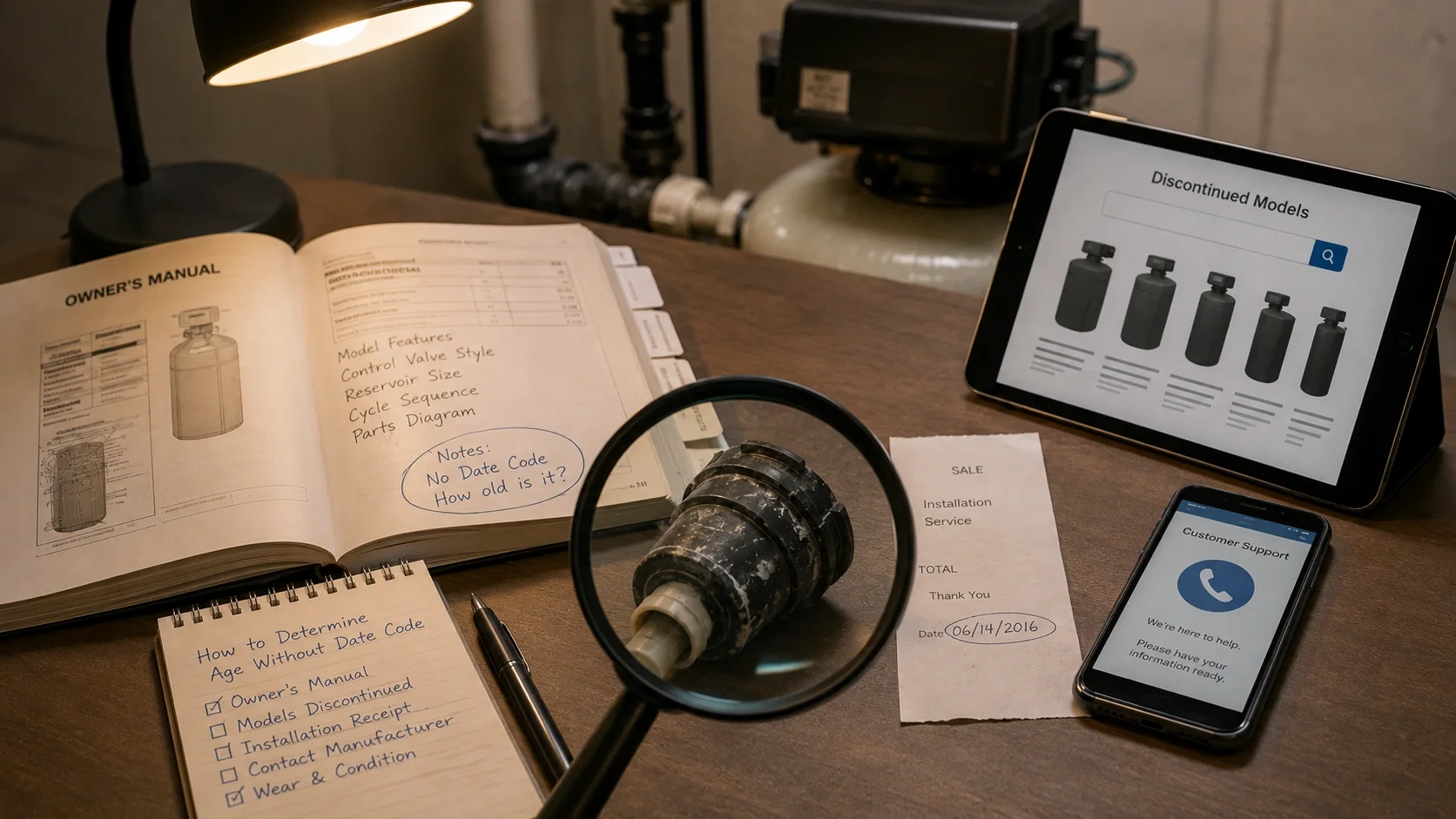
If you can't find a date code or serial number, try these methods to estimate your system's age:
- Check the owner's manual: Purchase date may be written inside
- Look for a purchase receipt: Check files or email for receipt
- Ask the previous homeowner: If you moved in recently, ask about installation date
- Check for model discontinuation: When was your model discontinued?
- Examine component wear: Heavy wear indicates older system
- Look for style/design changes: Older models have different designs
- Contact manufacturer: They may have records based on model number
Important: While these methods provide estimates, the most accurate way to determine age is finding and decoding the original serial number or date code on your system.
Frequently Asked Questions
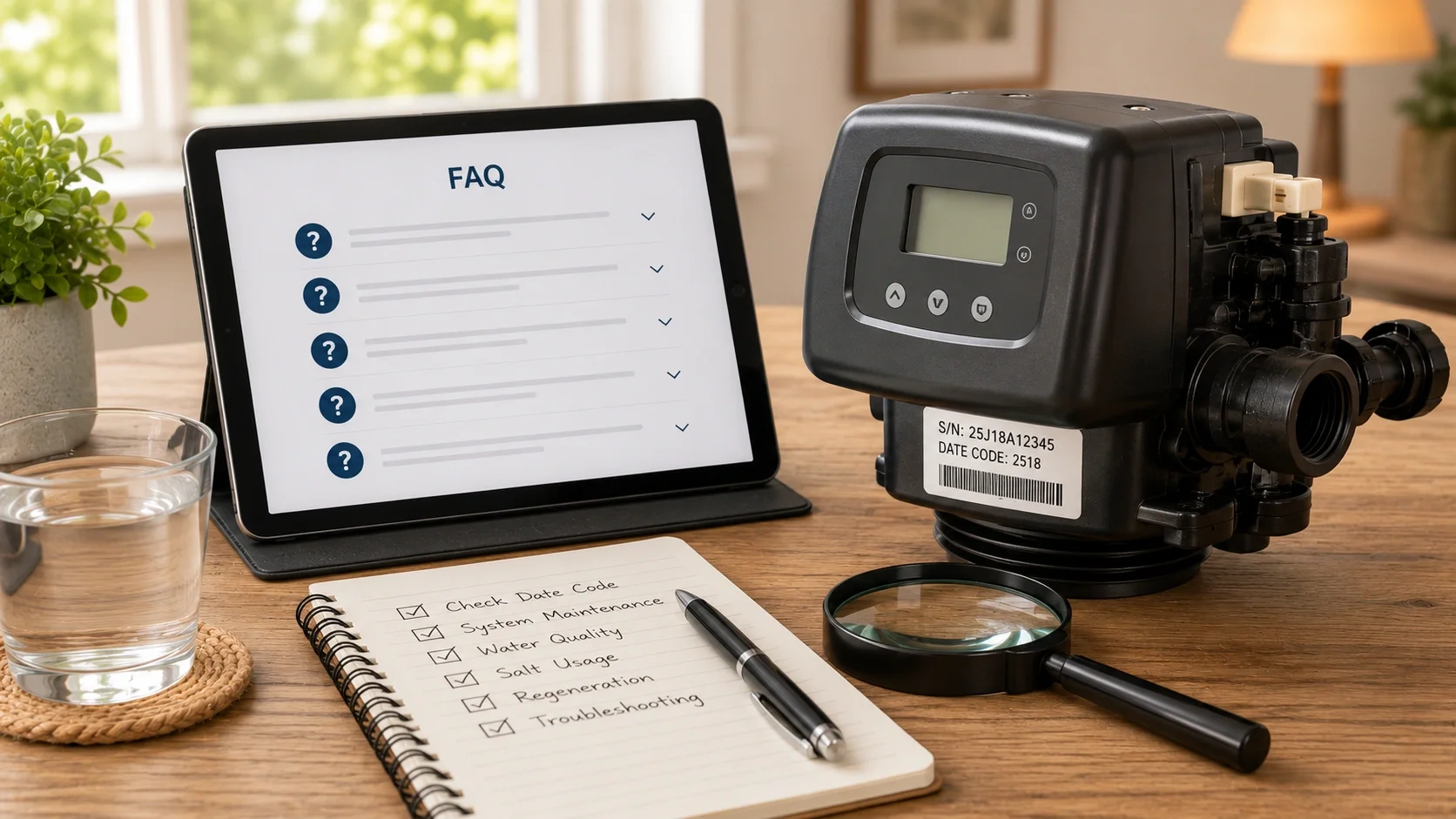
Where is the serial number on my water softener?
Check the control valve housing, mineral tank top or side, or brine tank exterior. Some models have serial numbers on the back or bottom of the unit.
How do I decode my serial number?
Most serial numbers use the first few characters to indicate the manufacturing date. Common formats include YYWW (year-week) or Letter-YY (month-year).
Why is knowing my water softener's age important?
Age helps determine maintenance needs, plan for component replacements, assess warranty coverage, and decide between repair and replacement.
How long should a water softener last?
With proper maintenance, a quality water softener typically lasts 10-15 years. The control valve may need service after 5-10 years, while the resin bed usually lasts 10-15 years.
Can I use the serial number to get replacement parts?
Yes, the serial number helps ensure you get the correct parts for your specific manufacturing period, as there may be design changes between production years.
What if I can't find any date code or serial number?
Try checking the owner's manual, purchase receipt, or ask the previous homeowner. You can also contact the manufacturer with your model number for assistance.
Replacement Part Compatibility
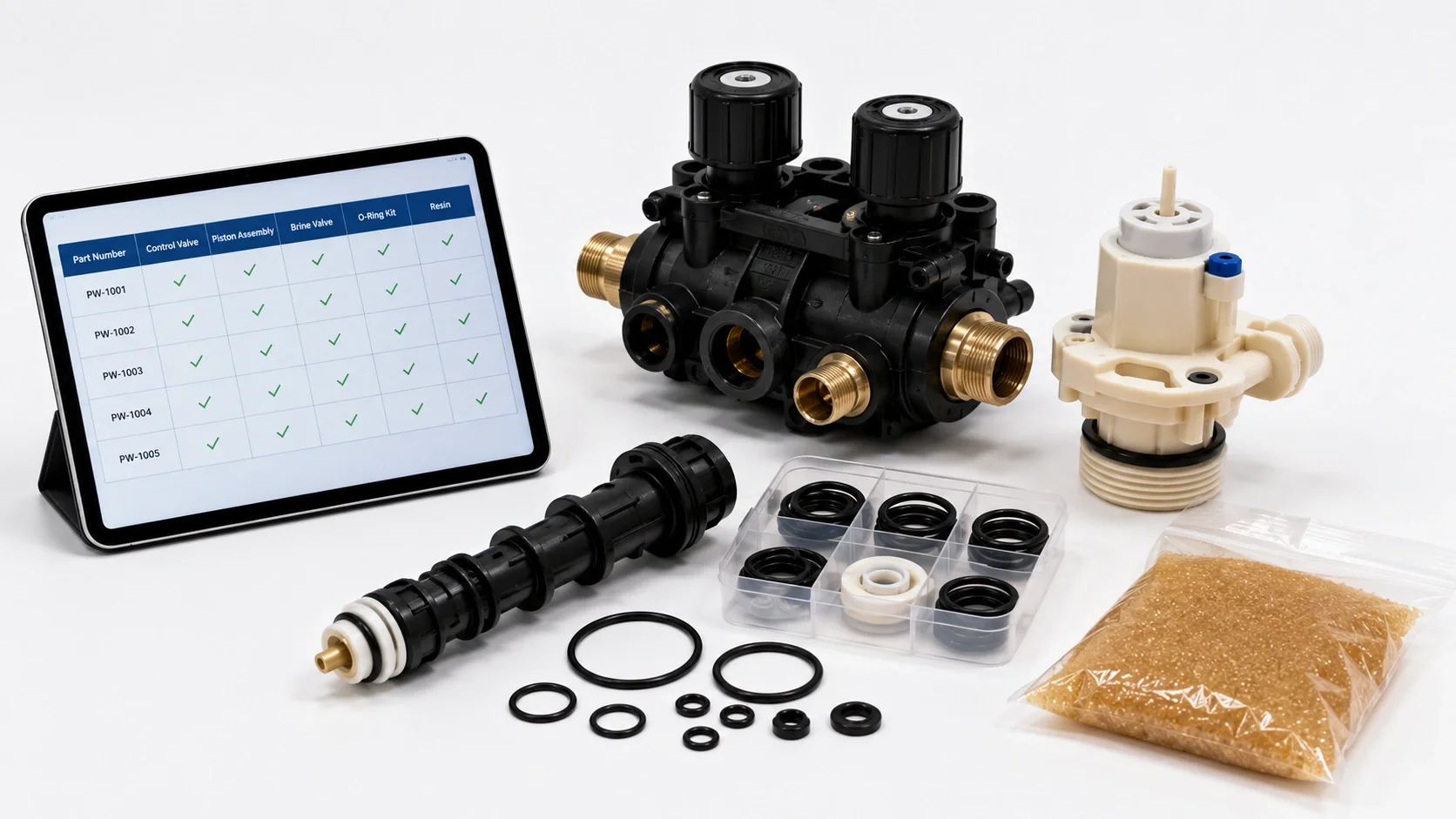
Knowing your water softener's manufacturing date helps ensure you get the correct replacement parts:
- Control valves may change between production years
- Resin tank specifications can vary by manufacturing period
- Brine tank components may have different designs over time
- Electronic boards often have version-specific compatibility
- Seals and O-rings can vary by production date
Always verify compatibility: When ordering replacement parts, provide your full model number and serial number to ensure you receive parts that match your specific manufacturing date.
Related Water Softener Resources
Explore these additional resources to better understand water softener systems and maintenance:
Water Softener Troubleshooting
Comprehensive troubleshooting guide for common water softener issues, error codes, and maintenance solutions.
Water Softener Maintenance
Essential maintenance tips to keep your water softener running efficiently and extend its lifespan.
Water Softener Replacement Parts
Guide to finding and selecting the right replacement parts for your water softener system.
Water Softener Sizing Guide
Learn how to properly size a water softener for your home based on household size and water hardness.